Commercial Cleaning in Modern Workspaces: Clean, Healthy, and Productive Environments
Commercial cleaning plays a vital role in keeping workplaces safe, professional, and welcoming. Whether you manage an office, retail store, healthcare facility, or industrial site, commercial cleaning helps protect employees, improve customer impressions, and support daily operations. In today’s fast-moving business world, cleanliness is no longer just a visual preference—it is a strategic priority that affects health, productivity, and brand reputation.
Many businesses are now investing in professional cleaning services because they understand the value of a clean environment. From high-touch surface disinfection to floor care and restroom sanitation, commercial cleaning services are designed to meet the unique demands of different industries. A clean facility can reduce sick days, improve morale, and create a stronger first impression for clients and visitors.
As organizations continue to focus on safety, efficiency, and presentation, commercial cleaning has become an essential part of facility management. This article explores what commercial cleaning involves, why it matters, the services it includes, and how businesses can choose the right cleaning solution for long-term success.
What Commercial Cleaning Means for Businesses
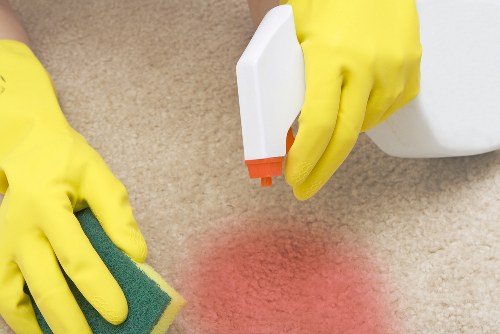
Commercial cleaning refers to professional cleaning services provided to business and institutional properties rather than homes. It includes routine maintenance, deep cleaning, sanitation, and specialized services tailored to the needs of offices, schools, medical centers, warehouses, restaurants, and other commercial spaces.
Unlike residential cleaning, commercial cleaning often involves larger square footage, stricter hygiene standards, and more frequent service schedules. A commercial cleaning team is trained to handle different surfaces, equipment, and environments while following industry-specific safety protocols. That makes it a smart investment for organizations that need consistent results.
Businesses often rely on professional commercial cleaning because it helps maintain order and cleanliness in areas where employees and visitors interact every day. A clean workplace supports better workflow, strengthens the company image, and keeps important spaces in top condition.
Why Commercial Cleaning Matters

There are many reasons why commercial cleaning is essential for modern businesses. Clean facilities do more than look good—they support health, safety, and operational performance. In environments with heavy foot traffic, shared equipment, and frequent movement, dirt and germs can spread quickly if cleaning is inconsistent.
One of the biggest benefits of commercial cleaning services is healthier air and surfaces. Dust, allergens, and bacteria can accumulate on desks, carpets, vents, and restrooms. Regular cleaning reduces these contaminants and creates a more comfortable environment for everyone in the building.
Another major reason is customer perception. When a client enters a spotless lobby, polished floor, and fresh-smelling restroom, they immediately associate the business with professionalism. That first impression matters, especially in competitive industries where trust and credibility are important.
Key Benefits of a Professional Cleaning Program
Commercial cleaning provides practical advantages that directly support business goals. Many companies choose recurring cleaning plans because they deliver reliable quality and reduce the burden on internal staff.
- Improved workplace hygiene and reduced germ spread
- Better employee morale in clean and organized spaces
- Stronger brand image for customers and visitors
- Longer life for floors, carpets, and fixtures
- Fewer maintenance issues caused by neglect or buildup
Businesses that schedule consistent commercial cleaning often find that their properties stay in better condition over time. That can reduce repair costs and prevent small maintenance problems from becoming expensive issues.
In addition, a tidy workplace can help employees focus more easily. Clutter and grime can create distractions, while a clean space supports concentration and efficiency. This is one reason commercial cleaning is considered an operational asset rather than just an expense.
Types of Commercial Cleaning Services
Commercial cleaning is not a one-size-fits-all service. Different environments have different needs, and professional cleaners adapt their methods based on the property type, industry, and schedule.
Common services may include daily janitorial tasks, deep cleaning, disinfecting, window washing, floor maintenance, and specialty sanitation. Some businesses need after-hours cleaning to avoid disrupting operations, while others require day porter services for continuous upkeep throughout business hours.
Understanding the available service options helps businesses choose the right plan for their location. Below are some of the most common commercial cleaning categories.
Office Cleaning
Office cleaning focuses on desks, meeting rooms, kitchens, bathrooms, breakrooms, and shared areas. It often includes trash removal, vacuuming, dusting, restroom sanitization, and surface disinfection. Office environments benefit from regular commercial cleaning because they usually have high-touch surfaces and multiple employees using the same space.
Retail Cleaning
Retail stores need commercial cleaning to keep sales floors, fitting rooms, counters, and entrances looking presentable. Clean retail spaces improve the shopping experience and help maintain a polished brand image. Floors, glass, and displays often require extra attention due to constant customer traffic.
Medical and Healthcare Cleaning

Healthcare settings demand a higher level of sanitation. Commercial cleaning in medical facilities may include specialized disinfection procedures, biohazard awareness, and strict hygiene standards. These services help protect patients, staff, and visitors while supporting regulatory compliance.
Industrial and Warehouse Cleaning
Industrial properties and warehouses often deal with dust, grease, debris, and heavy equipment residue. Cleaning in these settings requires durable tools, safety training, and attention to hazardous areas. Industrial commercial cleaning keeps work zones safer and helps equipment operate more efficiently.
Restaurant and Food Service Cleaning
Restaurants need deep sanitation in kitchens, dining areas, bathrooms, and storage zones. In food service environments, commercial cleaning supports health code compliance and helps prevent contamination. This type of cleaning is especially important for grease management, floor safety, and odor control.
How Commercial Cleaning Supports Workplace Health
One of the strongest reasons businesses invest in commercial cleaning is workplace health. Employees spend a large portion of their day inside the building, and the cleanliness of the environment can influence their comfort and well-being. Clean surfaces, sanitized restrooms, and dust-free air systems all contribute to a healthier workplace.
Regular cleaning can reduce the spread of common illnesses by lowering the number of germs on shared surfaces such as doorknobs, elevator buttons, phones, and conference tables. In high-traffic environments, these surfaces can quickly become sources of contamination if they are not disinfected properly.
Commercial cleaning also helps control allergens. Dust, pollen, and other particles can gather in carpets, upholstery, and vents. For employees with allergies or respiratory sensitivity, this can cause discomfort and decreased productivity. A consistent cleaning routine supports better indoor air quality and a more pleasant work environment.
Health-Focused Cleaning Practices
Professional cleaning companies often use targeted methods to improve sanitation and reduce health risks. These may include:
- Disinfecting high-touch areas multiple times during a service cycle
- Using microfiber tools to capture dust more effectively
- Applying approved cleaning agents for specific surfaces
- Maintaining restroom hygiene with frequent checks and restocking
- Cleaning air vents and filters when included in the scope of service
These methods show how commercial cleaning services can be tailored to support workplace health goals. Businesses that prioritize sanitation often see fewer disruptions from illness-related absences and create a more resilient operation overall.
For companies with public-facing environments, clean facilities can also reassure visitors that safety is being taken seriously. That perception matters in offices, salons, medical clinics, and service businesses where trust is built through visible care.
The Role of Commercial Cleaning in Brand Image
Every business sends a message through its environment. When a space is tidy, organized, and fresh, it reflects attention to detail and professionalism. This is why commercial cleaning is closely connected to brand image and customer experience.
A clean facility makes a strong impression before a word is spoken. Clients notice polished floors, clean restrooms, spotless glass, and organized common areas. Those details can influence whether they feel confident in the company’s services or products.
Commercial cleaning also supports employee pride. People are more likely to respect a workplace that is maintained with care. In many cases, a clean environment encourages staff to keep their own areas neater, which further improves the overall atmosphere.
Cleanliness as a Business Advantage
Clean spaces are often associated with reliability, quality, and professionalism. In competitive markets, those perceptions can affect customer retention and referrals. Businesses that invest in commercial cleaning often benefit from stronger visual branding and improved public trust.
What a Commercial Cleaning Plan Usually Includes
A professional commercial cleaning plan is usually customized to the property and the client’s needs. However, many service packages include a similar set of core tasks that keep the building clean and functional.
- Dusting furniture, fixtures, and surfaces
- Vacuuming carpets and rugs
- Mopping hard floors
- Cleaning and disinfecting restrooms
- Emptying trash and recycling bins
- Wiping down common touchpoints
- Cleaning breakrooms and kitchen areas
- Spot cleaning walls, glass, and doors
- Restocking restroom supplies
- Maintaining entryways and lobbies
Some properties may also require additional services such as floor stripping and waxing, carpet shampooing, pressure washing, or post-construction cleanup. These are often scheduled less frequently but play an important role in preserving the property’s condition.
Because every building has different traffic patterns and usage levels, the best commercial cleaning plans are flexible. A good provider will assess the site, identify priorities, and create a schedule that aligns with business hours and operational needs.
Daily, Weekly, and Monthly Cleaning Tasks
Many businesses structure commercial cleaning around different time intervals.
Daily Tasks
Daily tasks usually focus on high-use areas. These may include trash removal, restroom sanitation, floor care, and high-touch disinfection. For busy offices and public facilities, daily commercial cleaning is often necessary.
Weekly Tasks
Weekly tasks may include deeper dusting, glass cleaning, detailed floor maintenance, and cleaning behind furniture or equipment. These services help address buildup that daily routines might miss.
Monthly or Periodic Tasks
Monthly services often include deep cleaning, machine scrubbing, carpet maintenance, and sanitation of less frequently used spaces. Periodic commercial cleaning helps preserve long-term cleanliness and appearance.
How to Choose the Right Commercial Cleaning Provider
Choosing a commercial cleaning provider requires more than comparing prices. Businesses should look for reliability, training, flexibility, and the ability to support specific facility requirements. The right provider becomes a long-term partner in keeping the workplace safe and presentable.
Start by evaluating the company’s experience in your industry. A cleaning team that understands office buildings may not be the best fit for a medical facility or warehouse. Industry knowledge matters because different environments require different products, procedures, and safety practices.
You should also consider service customization. A good commercial cleaning company should be willing to adjust schedules, cleaning frequencies, and task lists based on your building’s needs. This helps ensure that your priorities are being addressed consistently.
Questions to Ask Before Hiring
- What industries do you specialize in?
- Do you offer customizable commercial cleaning plans?
- How do you train your cleaning staff?
- What products and equipment do you use?
- How do you handle quality control?
- Can services be scheduled after hours or on weekends?
Factors That Affect Commercial Cleaning Costs
Pricing for commercial cleaning services can vary based on several factors. While every provider may structure pricing differently, the main influences are usually the size of the facility, the scope of work, the frequency of service, and the type of property being cleaned.
Larger buildings typically require more labor and time, which increases cost. Specialized spaces such as healthcare facilities or industrial sites may also need more intensive cleaning procedures, protective equipment, or industry-specific disinfection methods.
Other factors that can affect commercial cleaning costs include:
- Square footage of the property
- Number of restrooms and shared spaces
- Level of traffic and daily usage
- Frequency of service requested
- Special tasks like carpet care or floor waxing
- Urgency of one-time or emergency cleaning
While cost matters, choosing the cheapest option is not always the best move. Value should be measured by reliability, consistency, and the overall quality of the results. A well-managed commercial cleaning program can save money in the long run by preventing damage and reducing maintenance issues.
Commercial Cleaning and Sustainability
Many businesses now look for eco-friendly commercial cleaning solutions that reduce environmental impact while still delivering excellent results. Sustainable cleaning practices can include using low-odor products, reducing water waste, and choosing equipment designed for energy efficiency.
Green cleaning is especially appealing in offices, schools, and public-facing businesses because it supports indoor air quality and reduces exposure to harsh chemicals. It can also align with corporate sustainability goals and appeal to environmentally conscious clients and employees.
Some sustainable commercial cleaning practices include:
- Using certified green cleaning products
- Choosing reusable microfiber materials
- Reducing single-use plastics where possible
- Using machines designed for low water consumption
- Scheduling efficient routes to reduce travel waste
As businesses become more environmentally aware, sustainable commercial cleaning is likely to remain a strong priority. It allows organizations to maintain cleanliness while also supporting broader environmental goals.
Seasonal and Special Event Cleaning Needs
Not every cleaning need is routine. Some businesses require commercial cleaning before or after seasonal events, major meetings, renovations, or special promotions. These situations often call for deep cleaning, rapid turnaround, and extra attention to detail.
Seasonal cleaning might involve preparing a property for winter traffic, removing pollen buildup in spring, or refreshing common areas before holiday visitors arrive. Special event cleaning may include pre-event polishing and post-event cleanup to restore the facility quickly.
In these moments, commercial cleaning provides flexibility and support when the regular schedule is not enough. Businesses that plan ahead can use these services to keep their space looking professional during high-demand periods.
When Extra Cleaning Makes Sense
Commercial cleaning is especially useful after construction work, office relocations, product launches, and large internal meetings. These events often create dust, debris, and traffic that require professional attention.
How Commercial Cleaning Improves Productivity
A clean workplace can have a direct effect on productivity. When employees do not have to work around clutter, dirty surfaces, or unpleasant odors, they can focus more easily on their tasks. This is why commercial cleaning is often tied to better performance and smoother daily operations.
Orderly spaces reduce distractions and help staff find what they need faster. Shared areas like kitchens, reception spaces, and meeting rooms are easier to use when they are clean and organized. In fast-paced work environments, that efficiency can make a meaningful difference.
There is also a psychological benefit. Employees often feel more valued in a workspace that is maintained with care. A clean environment signals that the business pays attention to details and cares about the comfort of its people. That can improve morale and workplace culture.
Commercial Cleaning as a Long-Term Investment
It is helpful to think of commercial cleaning as a long-term investment rather than a short-term task. Clean facilities last longer, present better, and function more efficiently. Regular maintenance reduces wear on floors, fixtures, and furnishings, which can lower replacement costs over time.
Businesses that ignore cleaning often end up facing bigger expenses later. Stains become permanent, surfaces deteriorate, and restrooms or common areas may require more intensive restoration. Routine commercial cleaning helps prevent that cycle and keeps the property in better condition.
For this reason, many organizations build cleaning services into their operational budget just like utilities, security, or maintenance. This approach reflects the real value that cleanliness brings to the business.
Building a Smarter Cleaning Strategy
To get the most from commercial cleaning services, businesses should create a strategy based on their building’s traffic, risks, and goals. That means identifying the most important spaces, setting service priorities, and deciding how often each area needs attention.
For example, a lobby or reception area may need daily attention, while a storage room may only require weekly or monthly cleaning. Restrooms, kitchens, and shared workstations often need the highest frequency due to hygiene concerns. A smart schedule balances cleanliness with operational efficiency.
Businesses should also review cleaning performance regularly. As occupancy changes, seasons shift, or work patterns evolve, the cleaning plan may need adjustments. A responsive commercial cleaning partnership makes it easier to keep up with those changes.
Simple Steps to Improve Results
- Prioritize high-traffic and high-touch areas
- Use a customized service checklist
- Schedule recurring inspections or quality reviews
- Adjust service frequency during busy periods
- Keep communication clear between staff and cleaning teams
When businesses take a proactive approach, commercial cleaning becomes more effective and more valuable over time. The result is a cleaner environment, fewer surprises, and a better experience for everyone who enters the building.
Final Thoughts on Commercial Cleaning
Commercial cleaning is much more than routine upkeep. It supports health, improves productivity, protects assets, and strengthens the way a business is perceived. In offices, stores, healthcare centers, restaurants, and industrial spaces, cleanliness has a direct impact on daily performance and long-term success.
Whether your organization needs regular janitorial support, deep cleaning, or specialized sanitation, choosing the right commercial cleaning solution can make a major difference. A clean workplace creates a safer environment, a stronger brand image, and a more positive experience for employees and visitors alike.
If you are ready to improve your facility standards and keep your business looking its best, contact us today to explore the right commercial cleaning options for your space. Book your service now and take the next step toward a cleaner, healthier workplace.
Commercial cleaning is an investment in professionalism, comfort, and reliability—and for many businesses, it is one of the smartest investments they can make.