Rug Cleaning in [Location]: Expert Care for Cleaner, Fresher Floors
Rugs add warmth, texture, and personality to a home or business, but they also collect dust, dirt, allergens, spills, and everyday wear. That is why rug cleaning in [Location] matters more than many property owners realize. A properly maintained rug does more than look attractive; it helps support a healthier indoor environment, protects your investment, and extends the life of your flooring décor.
Whether you have a delicate Persian piece, a modern wool rug, a family-room area rug, or a high-traffic commercial floor covering, the right rug cleaning approach can make a dramatic difference. Professional methods are designed to clean fibers deeply without causing shrinkage, fading, or texture damage. For homeowners and businesses alike, routine rug cleaning services can keep spaces looking polished and welcoming.
In this article, we’ll explore the key benefits of rug cleaning in [Location], how the process works, what methods are used for different rug types, and how to care for rugs between professional cleanings. If you want cleaner floors, better indoor air quality, and a more vibrant interior, understanding rug care is the first step.
Why Rug Cleaning in [Location] Is Essential
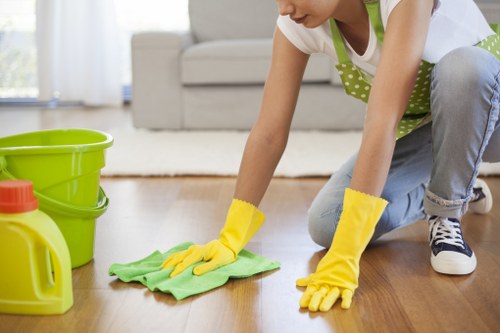
![Professional rug cleaning in [Location] removing deep dirt from an area rug](/pub/_photos/cleaning/f1436611824.jpg)
Rugs act like filters. Every day, they trap dust, pollen, pet hair, food particles, and soil from shoes. Over time, this buildup becomes embedded deep in the fibers, making the rug look dull and feel rough. Regular rug cleaning in [Location] removes this hidden buildup and restores the rug’s appearance and softness.
Beyond aesthetics, clean rugs support healthier indoor spaces. Allergens and fine dust can circulate through the air each time the rug is stepped on or vacuumed improperly. Professional area rug cleaning helps reduce these irritants and creates a more comfortable environment for families, employees, and visitors.
There is also a financial side to rug maintenance. Rugs can be expensive, especially handcrafted, wool, silk, antique, or specialty designer pieces. Routine rug cleaning helps preserve color, fiber structure, and backing integrity, which can save you from premature replacement. In short, proper care is not just about cleanliness; it is about protecting value.
Common Types of Rugs and Their Cleaning Needs
Different rugs require different cleaning methods. Using one generic technique for every rug can lead to damage, color bleeding, or residue buildup. A skilled provider of rug cleaning in [Location] should assess the fiber type, construction, dye stability, and level of soil before choosing a treatment.
Wool Rugs
Wool rugs are durable and naturally stain-resistant, but they can still trap dirt and absorb moisture. They respond well to gentle washing, controlled drying, and pH-balanced solutions. Because wool can felt or shrink if handled incorrectly, wool rug cleaning should always be done with care.
Silk Rugs
Silk rugs are luxurious but delicate. They often require specialized hand-cleaning methods and low-moisture care. Strong chemicals or aggressive agitation can weaken silk fibers and dull the natural sheen. For these pieces, professional rug cleaning is strongly recommended.
Synthetic Rugs
Rugs made from nylon, polyester, polypropylene, or other synthetic fibers are typically more resilient. They can tolerate more robust cleaning processes, though the right technique still depends on the backing and dye type. Synthetic area rugs are common in homes and offices because they are practical, but they still benefit from deep cleaning.
Antique and Handwoven Rugs
Antique and handwoven rugs need delicate inspection before cleaning. Their age, dyes, knots, and fringe conditions can make them more vulnerable to moisture and abrasion. Rug cleaning in [Location] for these rugs often involves gentle dust removal, careful washing, and controlled drying.
The Professional Rug Cleaning Process
Many people think rug cleaning is similar to vacuuming or shampooing a carpet, but professional cleaning is more structured. A proper service usually begins with inspection, followed by dust removal, spot treatment, washing, rinsing, and drying. This step-by-step process helps remove deep soil while minimizing risk to the rug.
First, the rug is examined for stains, fiber condition, colorfastness, pet damage, and odor issues. This inspection determines whether the rug needs pre-treatment or a more specialized method. The technician may also identify areas with heavy wear, fringe damage, or prior repairs.
Next comes dust removal. Rugs can hold dry soil deep in the pile, and if that soil is left in place, it can act like sandpaper and slowly wear down the fibers. Professional rug cleaning often uses vibration, beating, or controlled dust extraction to remove dry particulate matter before washing begins.
Pre-Treatment and Spot Cleaning
Stains and traffic lanes are treated with products suited to the specific fiber and dye system. This is a crucial stage in rug cleaning in [Location] because it helps loosen oils, food residues, and organic soils before the wash cycle. Specialty spot treatments may be used for wine, coffee, pet accidents, ink, and grease.
Washing and Rinsing
After pre-treatment, the rug is washed with an appropriate solution. Some rugs are hand-washed, while others can be cleaned with low-pressure systems or immersion methods. The goal is to flush away embedded dirt without leaving detergent residue behind. Thorough rinsing is essential because residue can attract soil more quickly.
Benefits of Professional Rug Cleaning Services
Choosing professional rug cleaning in [Location] offers more than visual improvement. It can restore texture, reduce allergens, and remove odors that home cleaning methods may miss. Below are some of the most valuable benefits.
- Improved appearance: Colors look brighter, patterns look sharper, and fibers regain their natural softness.
- Better indoor air quality: Deep cleaning removes dust, dander, and allergens embedded in the rug.
- Odor reduction: Professional washing helps eliminate pet odors, smoke smells, and lingering food odors.
- Extended rug life: Dirt removal reduces abrasive wear that can break down fibers over time.
- Stain management: Specialists can treat difficult spots more effectively than typical household products.
- Protects rug value: This is especially important for handmade, antique, or decorative rugs.
For homes with children or pets, rug cleaning can make a particularly noticeable difference. Spills and messes are common, and even when a stain is no longer visible, odor and residue may remain. Professional cleaning helps address the underlying issue instead of masking it.
Businesses also benefit from clean rugs. In offices, hotels, retail spaces, and waiting rooms, fresh rugs contribute to a more professional image. Visitors notice clean flooring, even if only subconsciously. Regular area rug cleaning supports a tidy and polished atmosphere.
How Often Should You Schedule Rug Cleaning in [Location]?
The ideal cleaning schedule depends on foot traffic, pet presence, allergy concerns, and the type of rug. While there is no one-size-fits-all rule, most homes benefit from rug cleaning in [Location] every 12 to 18 months. Households with pets, children, or heavy use may need service more often.
Suggested Cleaning Frequency
- Low-traffic decorative rugs: Every 18 to 24 months.
- Living room and hallway rugs: Every 12 to 18 months.
- Homes with pets or allergy concerns: Every 6 to 12 months.
- Commercial rugs: Every 3 to 12 months, depending on traffic.
If a rug experiences spills, pet accidents, or visible dullness, do not wait for the next scheduled cleaning. Immediate treatment can reduce staining and prevent odors from setting in. Quick action often makes a major difference in the final result.
Frequency also depends on the rug’s material. Wool and silk often need gentler but more attentive maintenance, while synthetic rugs may be cleaned more frequently if they are in busy spaces. A trusted rug cleaning service can recommend the best schedule based on your specific needs.
Signs Your Rug Needs Attention
Look for these warning signs:
- Visible dirt or discoloration
- Persistent odors
- Flattened or stiff fibers
- Allergy symptoms worsening indoors
- Stains that no longer respond to spot cleaning
- Uneven texture or matted traffic lanes
DIY Rug Cleaning vs Professional Rug Cleaning
Homeowners often wonder whether they should clean rugs themselves or hire a specialist. The answer depends on the rug type, the level of soiling, and how much risk you are willing to take. While DIY methods can help with routine maintenance, they are not always suitable for deep stains or delicate fibers.
When DIY Cleaning Makes Sense
Simple vacuuming, spot blotting, and prompt spill cleanup are excellent for regular upkeep. For a washable synthetic rug, light shampooing may also be acceptable if done carefully. However, it is important to avoid oversaturating the rug or using harsh chemicals that can damage fibers.
When Professional Care Is Better
Professional rug cleaning in [Location] is the better choice when dealing with:
- Delicate materials such as silk or viscose
- Handmade, antique, or high-value rugs
- Heavy staining or persistent odors
- Pet urine or biological contamination
- Water damage or mold concerns
- Rugs with fringe, tassels, or special dyes
Professionals also understand how to dry rugs correctly. Improper drying is one of the biggest causes of damage in DIY cleaning. If moisture remains trapped in the fibers or backing, it can lead to musty odors, mildew, and structural issues.
In many cases, professional cleaning is the safer and smarter choice. It saves time, reduces guesswork, and offers a more thorough result. If you want your rug to look refreshed without unnecessary risk, book your service now.
Special Stain and Odor Challenges
Stains and odors are some of the most common reasons people seek rug cleaning in [Location]. Not all stains behave the same way, and not all odors are surface-level. Some penetrate deep into the pile or backing, which means surface cleaning alone will not solve the problem.
Pet Accidents
Pet urine can soak into the rug fibers and backing, leaving behind both odor and bacteria. If left untreated, it may also cause discoloration and long-term damage. Professional treatment targets the affected area more thoroughly than a standard household cleaner.
Food and Beverage Stains
Coffee, wine, sauces, and juice can leave visible marks and sticky residues. Fast action helps, but the wrong cleaner can spread the stain or set it permanently. Specialized stain removal techniques are often the safest route for these common accidents.
Smoke and Musty Odors
Smoke particles and mustiness can cling to rug fibers. Deep cleaning, odor neutralization, and proper drying may be needed to fully refresh the rug. This is especially important in enclosed rooms or commercial properties where stale odors can affect the whole atmosphere.
Why Odor Treatment Matters
Odors are not just a nuisance; they often signal trapped soil, bacteria, or moisture issues. Effective rug cleaning addresses the source rather than simply masking the smell. That is why odor treatment is often part of a professional cleaning package.
Tips for Maintaining Rugs Between Cleanings
Routine care can help extend the life of your rug and keep it looking better between professional services. Even if you schedule regular rug cleaning in [Location], day-to-day maintenance still matters.
- Vacuum regularly: Use a vacuum with adjustable settings to avoid pulling delicate fibers.
- Rotate the rug: Turn it periodically to distribute wear evenly.
- Blot spills quickly: Use a clean, dry cloth and avoid rubbing.
- Use rug pads: They reduce slipping, friction, and wear from the floor underneath.
- Keep shoes off rugs when possible: This reduces soil and grit transfer.
- Protect from direct sunlight: UV exposure can fade colors over time.
It is also smart to perform occasional checks under furniture and along edges, where dirt and moisture may collect unnoticed. Small maintenance habits can significantly reduce the need for emergency stain treatment.
Pro tip: If you notice a spill, act quickly. The faster you blot and treat the area, the better the outcome. For stubborn stains or delicate rugs, professional rug cleaning services are the safest option.
What Makes a Good Rug Cleaning Provider?
Not every cleaning company is equipped to handle every rug type. When choosing a provider for rug cleaning in [Location], look for a team that understands fiber science, stain treatment, and safe drying practices. Experience matters, especially with valuable or fragile rugs.
Qualities to Look For
- Experience with multiple rug fibers and construction styles
- Specialized cleaning methods for wool, silk, synthetic, and antique rugs
- Attention to colorfastness and fringe protection
- Clear inspection and treatment process
- Proper drying and moisture control
- Use of gentle, fiber-safe cleaning solutions
A reliable service should also explain what to expect before the cleaning begins. Transparent communication helps avoid surprises and ensures the rug receives the right treatment. If a company takes the time to inspect and identify the rug’s needs, that is usually a good sign.
It is worth asking whether the provider offers specialized area rug cleaning or whether the rug is simply treated like wall-to-wall carpet. Rugs require a different approach, and treating them correctly can make a major difference in results.
The Long-Term Value of Regular Rug Care
Consistent rug cleaning in [Location] does more than keep your floors attractive. It protects the rug as a long-term asset. Whether the piece is practical, decorative, or sentimental, routine care helps preserve its original character and condition.
Think of rug cleaning as maintenance, not just restoration. The longer dirt and moisture remain in the fibers, the more damage they can cause. Regular washing helps prevent fiber breakdown, matting, odor buildup, and stain setting. That means fewer costly repairs and less chance of replacement.
In homes, clean rugs contribute to comfort and well-being. In business spaces, they support professionalism and cleanliness. In both settings, they help create an environment that feels cared for and inviting. That is why many property owners treat rug cleaning as a routine part of upkeep rather than an occasional fix.
Why Consistency Pays Off
Regular maintenance can:
- Reduce deep soil accumulation
- Improve rug texture and brightness
- Help prevent permanent staining
- Support cleaner indoor air
- Extend the useful life of the rug
Conclusion: Refresh Your Space with Expert Rug Cleaning in [Location]
Rugs play an important role in comfort, design, and daily life, but they need proper care to stay at their best. From everyday dust to stubborn stains, rug cleaning in [Location] offers a practical way to restore beauty, improve hygiene, and protect your investment. The right cleaning method can refresh colors, soften fibers, and eliminate odors that interfere with a clean, inviting atmosphere.
Whether your rug is wool, silk, synthetic, antique, or handwoven, a professional approach helps ensure it receives the attention it deserves. Routine cleaning, smart maintenance, and prompt stain treatment all work together to keep your rugs in excellent condition for years to come.
If your rug is looking dull, carrying an odor, or overdue for deep cleaning, now is the time to act. Contact us today and book your service now to give your rugs the care they need and your space the fresh, polished look it deserves.