Office Cleaning for Modern Workspaces: Creating a Healthier, More Productive Environment
Office cleaning is more than a routine task; it is a business essential that influences employee health, client impressions, workplace morale, and overall productivity. In today’s fast-paced work environment, a clean office is not just about appearances. It supports hygiene, reduces distractions, protects assets, and helps maintain a professional atmosphere that reflects positively on the organization. Whether you manage a small startup, a busy corporate floor, or a shared coworking space, consistent office cleaning plays a major role in keeping operations smooth and efficient.
Businesses increasingly recognize that office cleaning is directly connected to performance. When desks are clutter-free, surfaces are sanitized, and common areas are fresh, employees can focus better and feel more comfortable throughout the day. Clean environments also help reduce the spread of germs, which can lower absenteeism and support healthier routines. For companies aiming to make a strong impression on visitors, office cleaning is often one of the first things people notice, even before a formal introduction.
In this article, we’ll explore what office cleaning includes, why it matters, the areas that need regular attention, and how businesses can create a cleaner and safer work setting. From daily upkeep to deep sanitation, every part of the process contributes to a more organized and welcoming office.
Why Office Cleaning Matters for Every Business
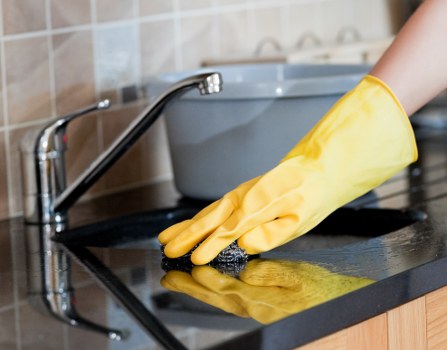
A well-maintained office is a sign of professionalism and care. Office cleaning affects far more than what people see at first glance. It supports employee well-being, protects workplace equipment, and contributes to a company culture that values order and efficiency. A dirty office, on the other hand, can create stress, cause unpleasant odors, and leave a negative impression on clients or partners.
One of the biggest benefits of office cleaning is improved health. Shared workspaces, restrooms, kitchens, and conference rooms can become hotspots for bacteria and viruses if they are not cleaned regularly. High-touch areas such as door handles, keyboards, phones, and elevator buttons need special attention because they are often touched throughout the day. Proper office cleaning helps reduce contamination and supports a healthier workplace overall.
There is also a productivity advantage. Employees tend to work better in clean and organized surroundings. When clutter is reduced and surfaces are spotless, the office feels more structured and less distracting. Clean offices encourage clear thinking, better focus, and a more positive attitude toward work. In that sense, office cleaning is not only a maintenance service but also an investment in workplace performance.
What Professional Office Cleaning Typically Includes

Professional office cleaning covers a wide range of tasks designed to keep every area of the workspace in good condition. These services may be customized depending on office size, layout, industry requirements, and the number of employees using the space each day. While every business has different needs, most office cleaning routines include both visible cleaning and sanitizing tasks.
Typical services often involve dusting, vacuuming, mopping, trash removal, restroom sanitation, kitchen cleaning, and surface disinfection. In many cases, office cleaning providers also handle glass cleaning, floor polishing, and the upkeep of shared spaces like reception areas, meeting rooms, and break rooms. The goal is not simply to make the office look clean, but to keep it hygienic and functional.
Some businesses also request specialized cleaning for carpets, upholstery, blinds, or electronic equipment. Office cleaning services can be scheduled daily, weekly, or on a rotating basis depending on the level of traffic and the type of workplace. For example, a medical office may need more frequent sanitation than a small accounting firm, while a call center may require intensive attention to desks and communal spaces.
Key Areas That Need Regular Office Cleaning

Every office has certain high-traffic zones that require consistent attention. These are the areas where dirt accumulates quickly and where hygiene matters most. Prioritizing them can make office cleaning more effective and help maintain a professional appearance throughout the building.
- Reception areas: These create the first impression for clients and guests, so cleanliness is essential.
- Workstations: Desks, monitors, keyboards, and office chairs collect dust and germs over time.
- Conference rooms: Meeting spaces should remain tidy, sanitized, and ready for use at all times.
- Restrooms: These require strict sanitation due to frequent use and hygiene concerns.
- Break rooms and kitchens: Surfaces, sinks, appliances, and dining areas need regular cleaning to prevent odors and contamination.
- Flooring: Carpets, tiles, and hard floors should be vacuumed, mopped, or treated appropriately.
- Doors and handles: High-touch surfaces should be disinfected often to reduce germ spread.
In addition to these common spaces, offices should also pay attention to storage rooms, copy stations, stair railings, and shared technology. These areas are often overlooked but can affect the overall cleanliness of the workplace. A strong office cleaning routine addresses both the obvious and hidden trouble spots.
When all of these areas are cared for properly, the office feels fresher, safer, and more inviting. This level of detail matters because employees and visitors both notice when a workplace is clean, even if they cannot always explain why it feels better.
Benefits of a Consistent Office Cleaning Schedule
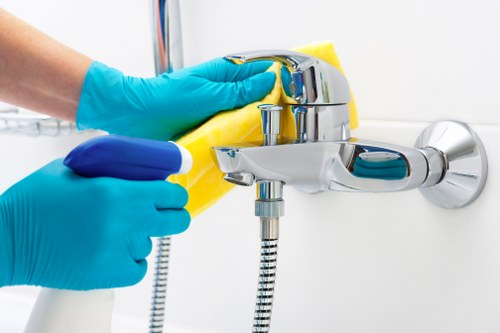
Consistency is one of the most important parts of office cleaning. A one-time cleaning can improve appearance temporarily, but a regular schedule is what keeps an office in lasting good condition. Businesses that invest in ongoing maintenance often enjoy better results than those that clean only when problems become visible.
One major benefit is reduced buildup. Dust, dirt, and grime accumulate quickly in busy environments. Without regular cleaning, these materials become harder to remove and can affect air quality, surfaces, and even equipment performance. A structured office cleaning schedule keeps buildup under control before it becomes a larger issue.
Another advantage is cost savings over time. Regular cleaning helps preserve carpets, flooring, furniture, and fixtures, which can extend their usable life. For example, routine vacuuming can protect carpet fibers, and regular disinfecting can help reduce wear on shared surfaces. In this way, office cleaning helps businesses avoid premature repairs or replacements.
Additional benefits of routine office cleaning
- Improves indoor air quality
- Supports employee comfort and morale
- Creates a more professional client-facing environment
- Reduces clutter and disorganization
- Helps maintain hygiene during peak flu and allergy seasons
These benefits make office cleaning a practical and strategic decision, not just an aesthetic one. Businesses that treat cleanliness as part of their daily operations usually see better engagement from staff and stronger impressions from visitors. Clean spaces help people feel valued, and that can influence how they work and interact.
Daily, Weekly, and Deep Office Cleaning Tasks
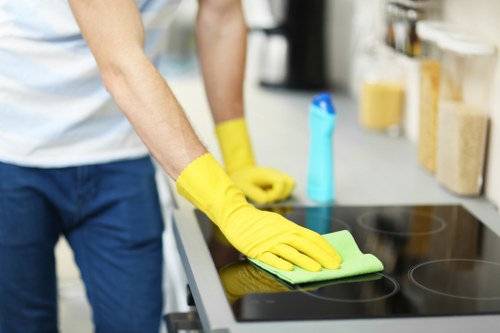
Different cleaning tasks should be completed on different timelines to keep the workplace in top shape. A successful office cleaning plan usually separates responsibilities into daily, weekly, and deep cleaning categories. This approach helps ensure that important tasks are not missed and that the office remains consistently clean.
Daily office cleaning tasks
- Empty trash bins and replace liners
- Disinfect high-touch surfaces
- Wipe down desks and shared counters
- Sweep or vacuum floors
- Clean restrooms and replenish supplies
- Sanitize break room and kitchen surfaces
Daily office cleaning is especially important in shared workspaces where employees and guests come and go throughout the day. These tasks help control germs, keep the environment tidy, and prevent small messes from becoming bigger problems.
Weekly office cleaning tasks
- Dust shelving, vents, and baseboards
- Clean glass doors and interior windows
- Vacuum upholstered furniture
- Wash floors more thoroughly
- Spot-clean walls and partitions
Weekly office cleaning tackles the areas that collect dirt more slowly but still need regular attention. It helps maintain the office’s overall appearance and ensures that dust and grime do not settle into hard-to-reach places.
Deep office cleaning tasks
- Carpet shampooing or extraction
- Floor stripping and waxing
- Detailed restroom sanitation
- Cleaning behind and under furniture
- High-level dust removal
- Cleaning air vents and light fixtures
Deep office cleaning is often done monthly, quarterly, or as needed depending on usage and industry demands. It provides a more thorough reset for the workplace and supports long-term cleanliness. When paired with daily maintenance, it creates a strong foundation for a healthier and more efficient environment.
Choosing the Right Office Cleaning Approach
Not every office needs the same cleaning plan. The right approach depends on office size, employee count, layout, industry standards, and foot traffic. A small professional suite may only need light maintenance, while a larger commercial office may require more intensive service. The best office cleaning strategy is one that matches the real needs of the space.
Businesses can choose between in-house cleaning teams, outsourced cleaning providers, or a combination of both. In-house teams may offer more direct control, while professional cleaning companies often bring specialized equipment, training, and consistency. Outsourcing office cleaning is especially useful for organizations that want dependable results without having to manage every detail internally.
Before making a decision, it helps to assess what the office requires most. Are restrooms heavily used? Are carpets becoming worn quickly? Do clients visit frequently? Is there a need for after-hours service? These questions can help determine the ideal cleaning frequency and service scope. A customized office cleaning plan often produces better outcomes than a one-size-fits-all arrangement.
Factors to consider when planning office cleaning
- Office size and number of workstations
- Type of flooring and furnishings
- Industry health and hygiene standards
- Number of employees and daily visitors
- Business hours and preferred cleaning times
- Budget and long-term maintenance goals
By carefully evaluating these factors, businesses can create an office cleaning plan that is efficient, cost-effective, and aligned with workplace expectations. A thoughtful plan also makes it easier to maintain consistency and adapt when office needs change.
Small improvements that make a big difference
Even simple habits can support office cleaning between scheduled services. Encouraging employees to clear desks, store food properly, wipe spills quickly, and respect shared spaces can make the overall routine more effective. These everyday behaviors complement professional cleaning and help sustain a polished appearance.
Office Cleaning and Workplace Wellness
The connection between cleanliness and wellness is stronger than many people realize. A clean office can contribute to reduced stress, better concentration, and a more pleasant day-to-day experience. When people arrive in a fresh environment, they are often more motivated and comfortable from the start. This is one reason office cleaning is closely linked to workplace wellness initiatives.
Employees who work in clean spaces are less likely to encounter unpleasant odors, overflowing trash, sticky surfaces, or dusty equipment. These issues may seem small on their own, but over time they can affect how employees feel about their workplace. Cleanliness communicates care, and that message can influence morale in positive ways.
Office cleaning also supports the broader goal of creating a safe workplace. During seasonal illness surges or in shared offices with frequent visitors, sanitation becomes even more important. High-touch disinfection, restroom cleaning, and kitchen maintenance are all part of reducing risk and supporting a healthier staff. Wellness and cleanliness go hand in hand, especially in workplaces where people spend many hours each week.
How Office Cleaning Supports Client Impressions
Clients often notice cleanliness immediately, even if they do so subconsciously. A neat lobby, a spotless meeting room, and clean restrooms signal that a business is organized and attentive. Office cleaning helps shape the experience of anyone who walks through the door, from prospective clients to vendors and partners.
When a workspace is clean, it reflects positively on the brand. It suggests that the business pays attention to detail and values professionalism. In industries where trust matters, this can be a meaningful advantage. People may be more likely to view the company as reliable and capable when the office is maintained well.
For reception areas especially, office cleaning can make a major difference. Glass surfaces, furniture, flooring, and decorative elements should all be kept in excellent condition. A welcoming and polished front area sets the tone for the rest of the visit and helps the company make a strong first impression. If your goal is to elevate how your business is perceived, consistent office cleaning is one of the simplest and most effective ways to do it.
Tips for Maintaining a Cleaner Office Between Services
Professional office cleaning works best when supported by everyday habits. Even with scheduled cleaning services, employees and managers can take simple steps to maintain a cleaner workplace between visits. These actions help preserve the results and reduce the workload on cleaning teams.
- Encourage employees to keep desks organized and free from unnecessary clutter.
- Provide easy access to disinfecting wipes and hand sanitizer.
- Label storage areas so supplies and documents are easier to put away.
- Establish a food policy to prevent crumbs, spills, and odors.
- Remind staff to clean up shared spaces after use.
- Schedule regular trash removal and recycling checks.
Another useful practice is setting expectations for personal responsibility. When staff members take ownership of their immediate areas, the overall environment stays cleaner for longer. This does not replace professional office cleaning, but it makes the office easier to maintain and more pleasant for everyone.
Small routines can have a big impact. A quick wipe-down of a shared table, a timely trash disposal, or a five-minute end-of-day reset can dramatically improve how an office feels. In busy workplaces, these habits help support the broader cleaning strategy and make daily operations more efficient.
When to Upgrade Your Office Cleaning Plan
Sometimes a business starts with a basic cleaning routine and later discovers that more support is needed. This often happens when the office grows, visitor traffic increases, or the nature of the work changes. If the space is no longer staying clean between service visits, it may be time to upgrade the office cleaning plan.
Signs that a change is needed include lingering odors, visible dust soon after cleaning, dirty restrooms, stained carpets, or clutter that is difficult to manage. These are signals that the current routine may not be enough for the office’s actual level of use. Updating the service schedule or adding deeper cleaning tasks can restore a higher standard of cleanliness.
It is also wise to revisit office cleaning plans after renovations, seasonal changes, or company expansion. More employees usually mean more foot traffic, more waste, and more opportunities for mess. By adapting the cleaning strategy early, businesses can prevent hygiene issues and keep the workplace functioning smoothly. Office cleaning should evolve with the business rather than remain static.
Final Thoughts on Office Cleaning
Office cleaning is one of the most practical ways to support a better workplace. It influences health, productivity, comfort, and client perception all at once. From daily dusting and sanitizing to deep cleaning and maintenance planning, every part of the process contributes to a more professional environment. Clean offices are easier to work in, easier to manage, and more likely to leave a strong impression on anyone who enters.
Whether your business is looking to improve hygiene, enhance appearance, or create a more productive atmosphere, office cleaning should be treated as a priority. A consistent, well-planned approach helps protect the office and the people in it. It also shows that the business values organization, attention to detail, and employee well-being.
If your workplace could benefit from a cleaner, fresher, and more organized environment, now is the time to act. Contact us today or book your service now to keep your office looking its best and functioning at a higher standard every day.