End of Tenancy Cleaning: A Practical, High-Value Approach for Tenants, Landlords, and Letting Agents
Moving out of a rented property can be exciting, but it also comes with pressure. Among packing boxes, changing addresses, and planning your next move, one task stands out as especially important: end of tenancy cleaning. This final clean is more than a quick tidy-up. It is a detailed process designed to help the property look its best for inspections, new occupants, and the return of a deposit. In many cases, the difference between a smooth handover and a dispute comes down to how thoroughly the property has been cleaned.
Whether you are a tenant aiming to protect your deposit, a landlord preparing for new renters, or a letting agent managing multiple transitions, end of tenancy cleaning plays a critical role. It helps ensure the property is hygienic, presentable, and ready for the next chapter. In this article, we will look at what the service includes, why it matters, which areas need special attention, and how to plan it efficiently for the best results.
Search interest around end of tenancy cleaning has increased because more renters now understand the importance of leaving a property in top condition. Cleanliness influences inspection outcomes, reduces maintenance issues, and supports a professional relationship between all parties. If you are wondering what makes this service different from everyday cleaning, the answer is detail. Every room, fixture, and hidden corner matters.
What Is End of Tenancy Cleaning?

End of tenancy cleaning is a deep, systematic cleaning service carried out when a tenant moves out of a rented property. Unlike routine cleaning, it aims to restore the home to a condition that is suitable for inspection and future occupancy. This usually includes cleaning kitchens, bathrooms, floors, skirting boards, appliances, fixtures, and surfaces that may not receive regular attention.
The goal is not simply to make the property look tidy. It is to address built-up grime, dust, grease, limescale, and stains that can accumulate over time. Many tenancy agreements expect the property to be left in a similar state of cleanliness to when the tenant moved in, allowing for reasonable wear and tear. A thorough end of tenancy cleaning service helps meet that expectation.
In practical terms, this cleaning process often includes deep scrubbing, sanitising, polishing, and degreasing. It may also involve extra tasks such as oven cleaning, fridge cleaning, carpet care, and internal window washing. The exact scope depends on the tenancy agreement, the size of the property, and the condition of each room.
Why End of Tenancy Cleaning Matters
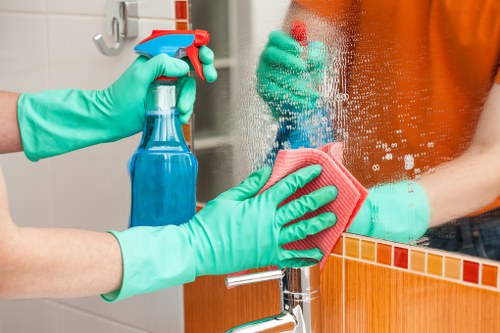
One of the biggest reasons end of tenancy cleaning matters is the deposit. Many disputes between tenants and landlords arise because the property was not left in the expected condition. A proper clean can significantly reduce the risk of deductions for cleaning-related issues. It also provides a clear record that the tenant has taken reasonable care of the property before moving out.
For landlords and letting agents, a professionally cleaned home is easier to market and faster to re-let. First impressions influence viewing appointments, online photos, and overall demand. A fresh, spotless property feels more welcoming and can help attract suitable tenants sooner. This can reduce vacancy periods and improve the rental process from one tenancy to the next.
There is also a hygiene benefit. Kitchens and bathrooms can harbour bacteria, grease, and unpleasant odours if they are not properly cleaned. Deep cleaning improves sanitation, making the property safer and more comfortable for incoming residents. In busy rental markets, cleanliness is part of property value, not just an optional extra.
Common outcomes of proper cleaning
Here are some of the most common results of a well-executed move-out clean:
- Better chances of receiving the full deposit back
- Fewer cleaning disputes between tenants and landlords
- Faster turnaround between tenancies
- Improved presentation for inspections and viewings
- A healthier living environment for new occupants
What Does End of Tenancy Cleaning Include?

The exact checklist for end of tenancy cleaning can vary, but most services focus on every area of the property from top to bottom. The cleaning process usually covers visible surfaces as well as neglected zones that collect dirt over time. A professional approach is organised, methodical, and designed to meet landlord expectations.
Common areas include the kitchen, bathrooms, bedrooms, living spaces, hallways, and utility rooms. Attention is also given to high-touch points such as handles, switches, skirting boards, and light fittings. The best results come from cleaning each room with a room-specific plan, since bathrooms need descaling while kitchens often require degreasing.
Special tasks may include oven cleaning, inside cupboard wiping, dusting vents, removing cobwebs, and washing internal glass. In some properties, carpet and upholstery cleaning may be included or recommended. If the tenancy agreement mentions any specific condition, it is wise to follow that closely.
Typical checklist by area
- Kitchen: appliances, cupboards, counters, sink, splashbacks, floor, extractor fan, and tiles
- Bathroom: toilet, bath, shower, taps, mirrors, grout, tiles, limescale removal, and floors
- Bedrooms: dusting, vacuuming, wardrobes, skirting boards, and internal windows
- Living areas: shelves, radiators, doors, floors, and fixtures
- Hallways: banisters, switches, skirting, and entry points
Kitchen Cleaning: The Most Important Room in Many Rentals
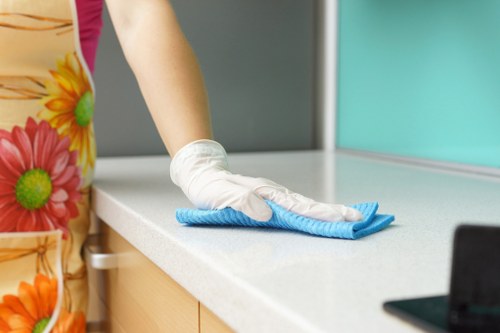
The kitchen often requires the most time and effort during end of tenancy cleaning. Grease from cooking builds up on splashbacks, cupboard doors, extractor fans, and appliances. Food residue can also collect in hard-to-reach places, creating both hygiene issues and visible stains.
An effective kitchen clean usually begins with removing all loose items and wiping down surfaces. Appliances such as ovens, hobs, microwaves, and fridges need careful treatment. The oven is particularly important because burnt-on food and grease are common reasons for cleaning deductions. A spotless oven can make a major difference in the final inspection.
Cabinets and drawers should be emptied, cleaned inside and out, and checked for crumbs or sticky residue. Sink taps and drains may need descaling, while worktops should be sanitised. Floors should be vacuumed and mopped after dust and debris have been removed. Attention to detail is what makes kitchen cleaning successful.
Kitchen cleaning priorities
- Remove grease from cooker hoods and extractors
- Clean inside ovens, microwaves, and fridges
- Wipe cupboard fronts and internal shelves
- Descale taps and sink areas
- Finish by mopping the floor thoroughly
Bathroom Cleaning: Hygiene and Shine
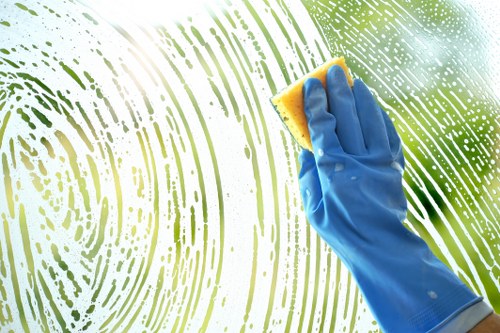
Bathrooms are another critical part of end of tenancy cleaning because they quickly show signs of wear. Limescale, soap scum, mould spots, and water marks can create the impression that a property has not been well maintained. A clean bathroom should look hygienic, smell fresh, and feel comfortable to use.
The toilet, basin, bath, shower, tiles, and mirrors all require focused cleaning. Limescale often builds up on taps, showerheads, and glass screens, so descaling products may be necessary. Grout and sealant lines should also be inspected, since dark marks can make even a reasonably clean bathroom appear dirty.
Bathrooms also contain many touchpoints. Light switches, door handles, shelves, and towel rails can collect dust and bacteria. For this reason, a strong final clean includes both visible surfaces and overlooked details. A fresh bathroom can strongly influence a landlord’s impression during inspection.
Useful bathroom priorities
- Scrub toilet bowl, seat, and exterior surfaces
- Remove limescale from taps and shower fittings
- Clean mirrors and glass for a streak-free finish
- Wash tiles and wipe grout lines where needed
- Disinfect sinks, baths, and shower trays
Bedrooms and Living Areas: Dust, Floors, and Finishing Touches
Bedrooms and living spaces may appear cleaner than kitchens and bathrooms, but they still need careful attention during end of tenancy cleaning. Dust collects on wardrobes, shelves, skirting boards, window sills, light fixtures, and behind furniture. If these areas are missed, the overall standard can fall below what landlords expect.
In bedrooms, internal wardrobes should be wiped down, and floors should be vacuumed or mopped according to the flooring type. Curtains, blinds, and windows may also need cleaning, depending on the tenancy agreement. In living rooms, attention should be given to fireplaces, radiators, sockets, doors, and any built-in storage.
These rooms are where small details can have a big visual impact. Smudges on doors, dust on skirting boards, and marks on walls can all affect the final impression. A consistent approach across every room helps the property look cared for and ready for immediate use.
Checklist for general living spaces
- Dust all high and low surfaces
- Vacuum carpets and edges carefully
- Mop hard floors after dust removal
- Clean internal glass and mirrors
- Wipe skirting boards, switches, and handles
How End of Tenancy Cleaning Helps Tenants
For tenants, the biggest benefit of end of tenancy cleaning is peace of mind. Moving out can be stressful, and knowing the property has been cleaned properly reduces uncertainty. A well-cleaned home creates a positive impression and helps demonstrate that the tenant respected the rental space.
Another major advantage is financial. Deposit deductions can be frustrating, especially when they are linked to cleaning concerns. By investing time or booking professional help, tenants can reduce the chance of losing money over avoidable issues. In many cases, the cost of a detailed clean is far less than the potential deduction.
It also saves time later. If the property is cleaned room by room before handover day, there is less pressure during the final move. This allows tenants to focus on transport, keys, and paperwork instead of last-minute scrubbing. A structured approach is often the best way to avoid panic.
Tenant-focused benefits
- Improves the chance of deposit return
- Reduces stress during the move
- Creates a better handover experience
- Helps meet tenancy agreement expectations
- Shows responsibility and care
How Landlords and Letting Agents Benefit
Landlords and letting agents also gain a great deal from professional end of tenancy cleaning. A clean property photographs better, shows better, and becomes easier to rent again. This can shorten void periods and support stronger occupancy rates. For managed properties, cleanliness also reflects the overall standard of service.
When a property is handed over in poor condition, landlords may need to spend extra time and money restoring it before the next tenancy begins. Deep cleaning can prevent delays and reduce the number of maintenance issues caused by neglect. For example, regular descaling may help protect bathroom fixtures, while kitchen cleaning can prevent grease from worsening over time.
Letting agents also benefit because a professionally cleaned property is easier to inspect and market. It creates a smoother process for all parties involved. In competitive rental markets, presentation matters, and a spotless home can help set a listing apart from similar properties.
Key advantages for property owners
- Better visual appeal for new tenants
- Faster turnaround between occupancies
- Lower risk of disputes over property condition
- Improved hygiene and maintenance standards
- Stronger overall rental presentation
Professional Cleaning vs DIY Cleaning
Many people wonder whether they should clean the property themselves or hire a professional team. The answer depends on time, budget, property size, and the expected standard. DIY end of tenancy cleaning can be effective if the tenant is organised and experienced, but it can also take much longer than expected.
Professional cleaners bring specialist products, equipment, and experience. They know how to tackle ovens, limescale, grout, grease, and built-up dirt more efficiently. They also tend to work to a structured checklist, which can be helpful when a landlord or letting agent is inspecting against a high standard.
That said, DIY cleaning can still work well in smaller properties or where the tenant has kept the home in excellent condition. The most important factor is not who does the work, but whether the result meets the required standard. Thoroughness, timing, and attention to detail are what matter most.
Comparison points
- DIY: lower cost, more time required, depends on personal effort
- Professional: higher cost, faster, often more consistent results
- Hybrid approach: tenant handles decluttering and basics, professionals handle deep cleaning
How to Prepare for End of Tenancy Cleaning
Preparation makes the cleaning process much easier. Before starting end of tenancy cleaning, remove all personal items, rubbish, and leftover food. Empty cupboards, drawers, shelves, and wardrobes so that every surface can be reached. This simple step saves time and ensures no areas are missed.
It is also helpful to check the tenancy agreement and inventory report. These documents may specify the expected cleaning standard or note items that were already damaged or marked before move-in. Knowing this information can prevent confusion later. If the property was not spotless when you arrived, you are generally expected to return it in a similar condition, not better than new.
Gather the right supplies in advance. Common items include multipurpose cleaner, disinfectant, glass spray, descaler, sponges, microfiber cloths, a vacuum cleaner, and mop. If you plan to use a professional service, make sure access is arranged and any instructions are clear. Good preparation reduces stress and improves results.
Preparation checklist
- Remove all belongings and rubbish
- Defrost and empty the fridge/freezer if needed
- Review the inventory and tenancy terms
- Collect cleaning supplies or arrange a service
- Plan cleaning room by room
End of Tenancy Cleaning Tips for Better Results
If you want better results from your end of tenancy cleaning, start with the most difficult tasks first. Ovens, bathrooms, and kitchens usually take the most time, so tackle them early in the process. This helps prevent rush jobs and gives you room to revisit any stubborn stains.
Work from top to bottom so that dust and debris fall onto uncleaned areas instead of finished ones. For example, clean shelves and surfaces before vacuuming and mopping. Use appropriate products for the surface you are treating, especially on glass, wood, stainless steel, and tiles. Using the wrong product can damage finishes or leave streaks behind.
Lighting matters too. Open curtains, switch on lights, and inspect each room after cleaning. It is easier to spot missed marks or smudges in bright conditions. A final walkthrough can make a big difference before the keys are handed back. This final inspection is where small improvements count.
- Start with the hardest areas first
- Clean from top to bottom
- Use the right product for each surface
- Check corners, edges, and hidden spots
- Do a final inspection in good lighting
How Long Does End of Tenancy Cleaning Take?
The time needed for end of tenancy cleaning depends on the property size, the level of dirt, and whether one person or a team is doing the work. A studio flat may take only a few hours, while a larger house can require a full day or more. If appliances and carpets also need deep cleaning, the process naturally takes longer.
Planning is important because move-out day is often busy. Many people underestimate how long scrubbing bathrooms or degreasing ovens can take. That is why starting early is a smart idea. Completing the work before the final day gives you time to check the property properly and address any missed spots.
Professional services may complete the job more quickly because they use a team-based approach. For tenants who are balancing work, relocation, and paperwork, this can be a major advantage. The right timing can make the entire move-out process feel far more manageable.
Factors that affect cleaning time
- Property size and number of rooms
- Level of dirt and staining
- Presence of carpets or upholstery
- Condition of kitchen appliances
- Whether the clean is DIY or professional
Final Thoughts on End of Tenancy Cleaning
End of tenancy cleaning is one of the most important parts of moving out of a rental property. It protects deposits, supports smooth inspections, and helps create a positive handover for everyone involved. Whether you choose to do the work yourself or hire professionals, the key is to be thorough and organised.
A successful final clean is not about making the property look perfect in every sense. It is about meeting expectations, showing respect for the home, and leaving it in a condition that is ready for the next resident. Kitchens, bathrooms, living areas, and hidden corners all deserve attention because details matter in rental property inspections.
If you are preparing to move out soon, start planning now. Use a checklist, allow enough time, and focus on the areas that matter most. For a stress-free move and a stronger chance of getting your deposit back, book your service now or contact us today to arrange reliable help with your move-out clean.