Insurance and Safety
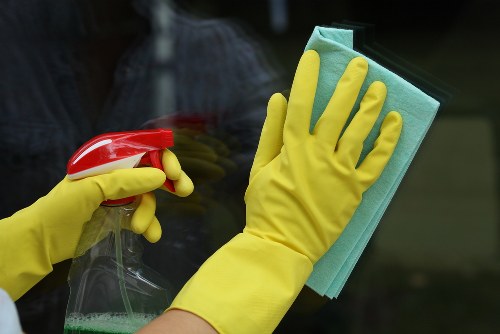 Our insurance and safety commitment is built around protecting people, property, and peace of mind. Whether work takes place on a single site or across multiple locations, a clear safety framework helps reduce disruption and supports consistent service delivery. By combining public liability insurance, ongoing staff training, suitable PPE, and a structured risk assessment process, we create a safer environment for everyone involved.
Public liability cover is a key part of responsible operations. It provides an important layer of protection if accidental injury or damage occurs in connection with our activities. This type of protection helps safeguard clients, members of the public, and our own operations by addressing unforeseen incidents with professionalism and accountability. In practice, robust liability insurance reflects a serious approach to risk management rather than a reactive one.
Our insurance and safety policy is not treated as a standalone document; it is embedded into daily practice. We believe prevention is always better than correction, which is why every task is reviewed with safety in mind before work begins. From equipment checks to controlled work methods, each stage is considered carefully so hazards are identified early and managed effectively.
Public Liability Insurance and Protection
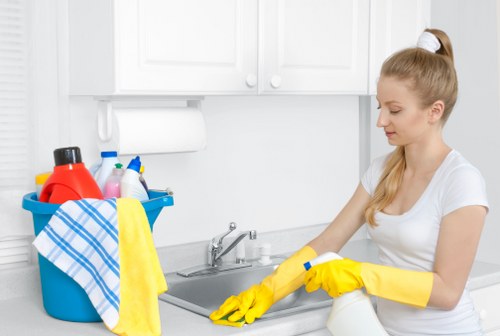 Public liability insurance plays a central role in our safety strategy. It helps cover claims arising from accidental injury to third parties or accidental damage to property during normal operations. This protection is especially important in environments where staff, visitors, contractors, or the public may be present. A well-managed public liability insurance arrangement supports continuity and gives added confidence that obligations can be met if the unexpected happens.
We regularly review the scope of our cover to make sure it remains suitable for the nature of our work. Different tasks can involve different levels of exposure, so the insurance arrangement must stay aligned with changing operational needs. By treating insurance for safety as part of routine management, we avoid gaps that could otherwise create unnecessary risk.
In addition to protecting against financial loss, this cover reinforces a wider culture of responsibility. It sends a clear message that safe working practices, careful planning, and risk awareness are essential. That culture supports better decisions at every level and helps ensure that safe operations remain a priority.
Staff Training, PPE, and Safe Working Practices
 Our approach to staff training is continuous and practical. Team members receive instruction relevant to their duties, including hazard awareness, correct equipment use, emergency response, manual handling, and site-specific safety requirements. Training is refreshed regularly so skills remain current and new risks can be addressed promptly. Well-trained staff are better prepared to make sound decisions and maintain a safer workplace.
PPE, or personal protective equipment, is provided according to the needs of the task. This may include gloves, helmets, eye protection, high-visibility clothing, hearing protection, or other specialist items depending on the environment. PPE is only effective when it is selected appropriately, worn correctly, and maintained properly. For that reason, our teams are instructed not only in how to use PPE, but also in how to inspect it and report any defects.
Safe working practices rely on both behaviour and equipment. We encourage a proactive mindset where hazards are reported early, procedures are followed consistently, and no one is expected to take unnecessary shortcuts. This combination of training, protective equipment, and good housekeeping helps reduce incidents and supports reliable daily performance.
Risk Assessment Process
Our risk assessment process begins before work starts and continues throughout the task. First, we identify possible hazards, such as slips, trips, moving equipment, weather conditions, or interaction with other site users. Next, we evaluate who may be affected and consider the likelihood and severity of harm. This assessment is used to decide what controls are needed and how work should proceed safely.
How We Manage Risk
The process includes several practical steps:
 Where necessary, the assessment may lead to additional precautions such as restricted access, improved signage, extra supervision, or revised methods of work. This flexible approach ensures that our insurance and safety procedures work together. Insurance provides financial protection, while assessment and control measures reduce the likelihood of incidents in the first place.
Building a Strong Safety Culture
We view health and safety as a shared responsibility. Managers, supervisors, and staff all play a part in maintaining standards and supporting one another. Open communication helps make sure concerns are raised quickly and acted on without delay. When people understand the reasons behind procedures, they are more likely to follow them correctly and consistently.
Regular reviews also help us improve. Incident reports, near-miss observations, and routine inspections are all used to refine our systems. This ongoing learning process supports stronger risk control and keeps our approach aligned with best practice. As conditions evolve, so do our methods, ensuring that safety remains practical, responsive, and effective.
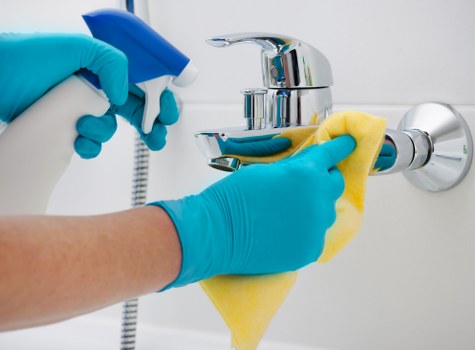 Ultimately, our goal is to deliver dependable service without compromising well-being. By combining public liability insurance, detailed risk assessments, effective staff training, and appropriate PPE, we build a resilient foundation for safe work. This balanced approach helps protect people, supports compliance, and demonstrates a genuine commitment to responsible operations.